
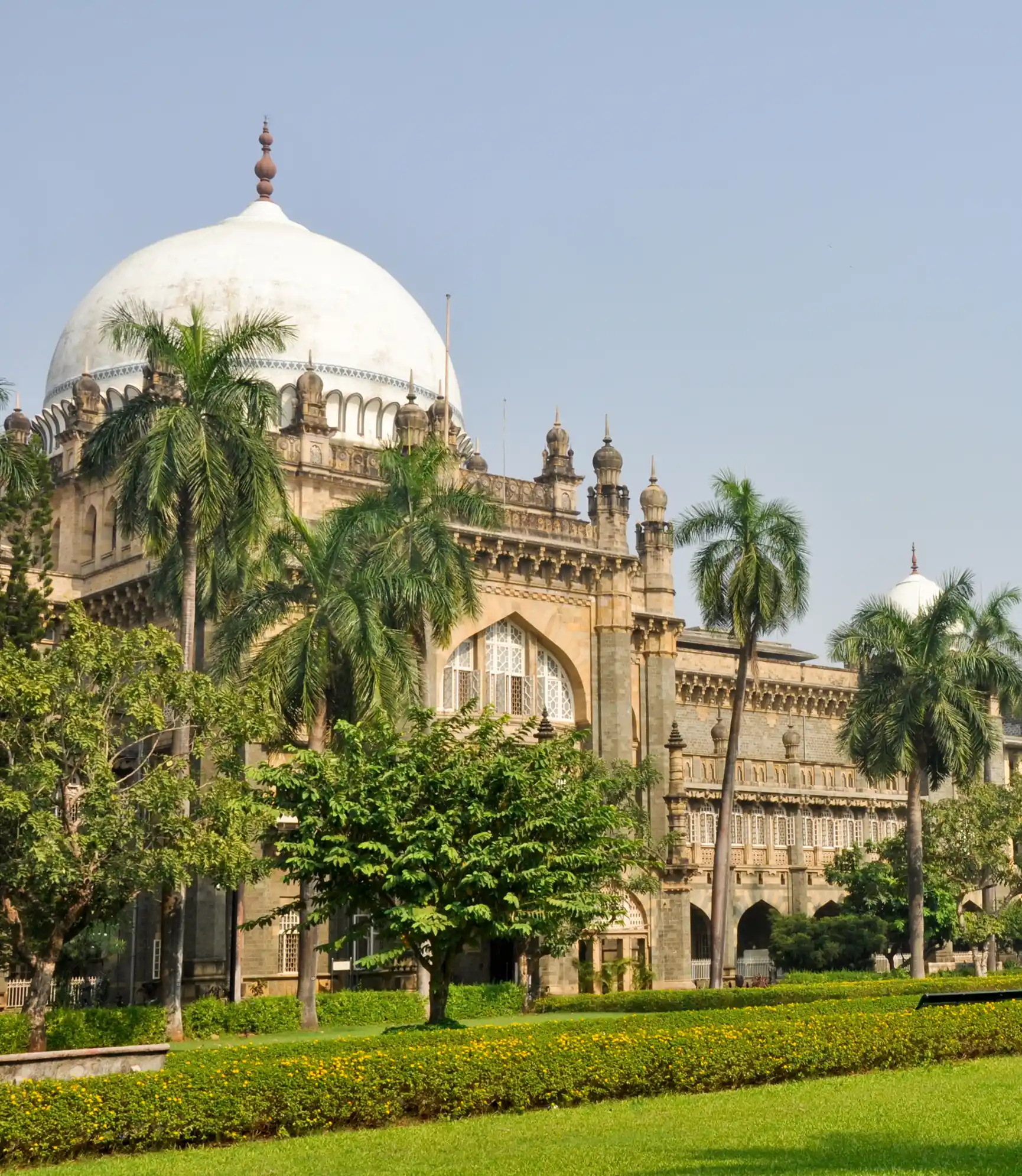
Treasures of Central India
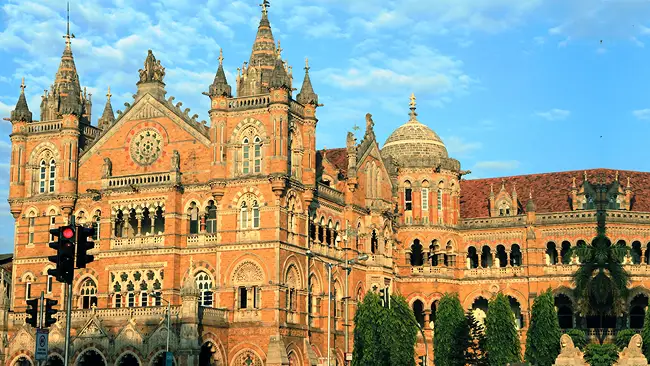
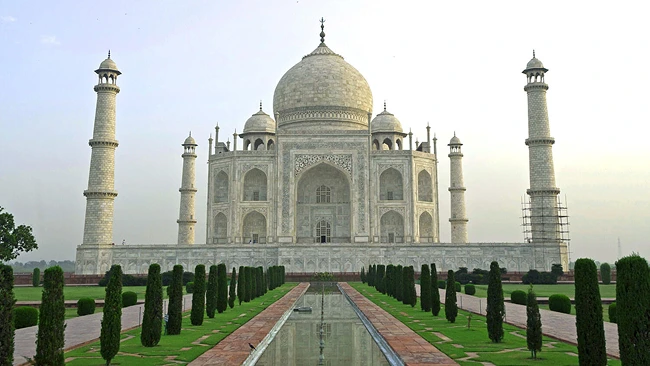
The Central India is proving to be a treasure trove of magnificent mahals (palaces), land of utmost religiousness and historicity. As we explore the heart of India, we jaunt through 10 UNESCO listed World Heritage Sites. Witness the architectural jewels established by Mughal Empire in the city famously known for its white marble beauty: Taj Mahal. Tour to India is incomplete without a train journey. Ride from Gwalior to Bhopal to jell-well with the locals. Jaunt through the city of mosques in Bhopal and witness Afghani architecture in Mandu. Tune with the devout at Ujjain and Maheshwar marking the versatility of this journey. Adjourn the tour at the commercial capital city of India: Mumbai where the convergence of a slow and a fast-paced life can be witnessed along with the historic architecture built by the British government.
-
Theme
Cultural , World Heritage tours -
Destinations
India , North India , West India , The Heart of India -
Cities Covered New Delhi , Agra , Dholpur , Gwalior , Bhopal , Ujjain , Indore , Mandu , Maheshwar , Jalgaon , Aurangabad , Mumbai
-
Ratings 1 Review5/5
-
Activity Level Moderate
-
Group Size Min Group Size: 1 |
Max Group Size: 9
Tour Highlights
Traveler who wants to have a glimpse of the major constituents of Indian history and culture; and is looking to jaunt through the central of India. This itinerary has been planned in a way that one will experience the British touches in New Delhi, Mughal charm in Agra, worldly acknowledged art work at Ajanta and Ellora caves and teeming city life of Mumbai.
Mystically cut out rock at Elephanta Caves, historic monuments of Sanchi, paintings dating back to 1st century BC in Bhimbetka caves, witness the importance of religion and its strong beliefs in Ujjain and Maheshwar. and shimmery Kanch (glass) temple in Indore are cities hidden treasures of Central India.
Explore and discover the secrets of India’s Central Heritage, a compact yet contrasting tour with unforgettable highlights.
World Heritage Sites
UNESCO-listed landmarks you will visit or explore on this itinerary.
9 sites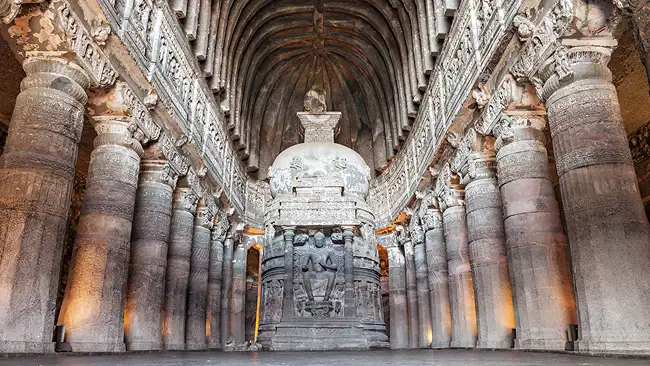

Tour Itinerary at Glance
| Day 1: | Arrive Delhi | |
| Day 2: | Delhi |
|
| Day 3: | Delhi – Agra – Dholpur (Drive: 280 Kms/ 6 Hours) |
|
| Day 4: | Dholpur |
|
| Day 5: | Dholpur – Gwalior (Drive: 60 Km/ 2 Hours) |
|
| Day 6: | Gwalior |
|
| Day 7: | Gwalior – Bhopal by Train #2002 – Bhopal Shatabdi, Departure: 09:33 Hrs, Arrival: 13:50 Hrs |
|
| Day 8: | : Bhopal: visit to Sanchi, Udaygiri and Bhimbetka Caves |
|
| Day 9: | Bhopal – Ujjain – Indore (Drive: 260 Km/ 06 Hours) |
|
| Day 10: | : Indore – Mandu – Maheshwar (Drive: 160 Km/ 04 Hours) |
|
| Day 11: | Maheshwar |
|
| Day 12: | Maheshwar – Jalgaon (Drive 275 kms/6 hrs) |
|
| Day 13: | Jalgaon / Aurangabad (Drive 150 Kms/ 4 Hours) |
|
| Day 14: | Aurangabad |
|
| Day 15: | Aurangabad – Mumbai: by Flight |
|
| Day 16: | Mumbai |
|
| Day 17: | Mumbai – Home |
|
- - Breakfast
- - Lunch
- - Dinner
The tour package inclusions and exclusions at a glance
The tour package booking terms and conditions
Before you book a trip with “Bestway2india.com”- An online trading entity of Bestway Tours and Safaris Pvt Ltd , please take the time to read and understand the booking terms and conditions & additional special conditions which apply to certain trips ,themes and promotional offers. These booking conditions form the basis of your contract with “Bestway Tours & Safaris Pvt. Ltd, Suite 403, Suncity Trade Tower, Sector 21, Gurgaon (National Capital Region), Haryana – 122016, (India) , A company incorporated under Indian companies ACT 1956 vide registration number 55-51646
By asking us to confirm your booking, you confirm that you have had the opportunity to read and have read these booking conditions, Essential trip information, Inclusions & Exclusions and cancellation & refund policy and agree to be bound by them.
These booking conditions only apply to holiday arrangements which you book with us on https://www.bestway2india.com (An online trading entity of Bestway Tours & Safaris Pvt Ltd) and which we agree to make , provide, or perform (as applicable) as part of our contract with you. All references in these booking conditions, to “holiday”, “booking”, “contract”, “package”, “tour” or “arrangements” mean such holiday arrangements unless otherwise stated.
Essential Trip Information
Booking Deposit, Cancellation and Refund Policy
Expand All
- Day 1 - Arrive Delhi
-
Day 2 - Delhi
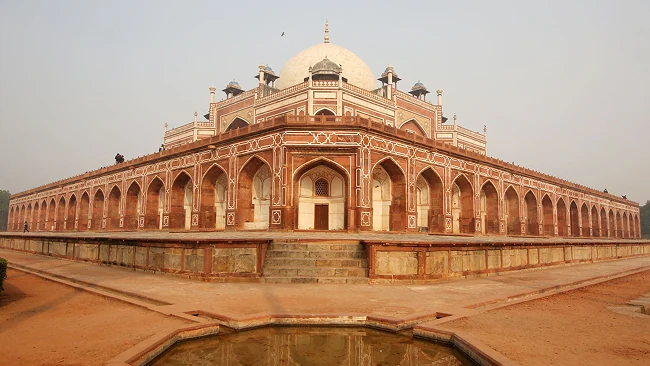
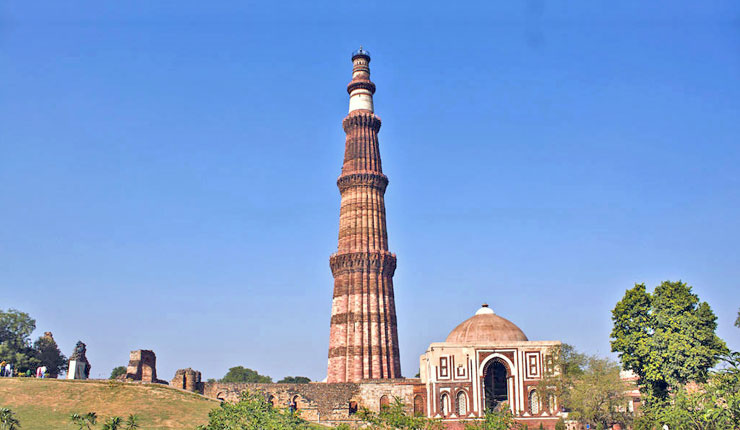
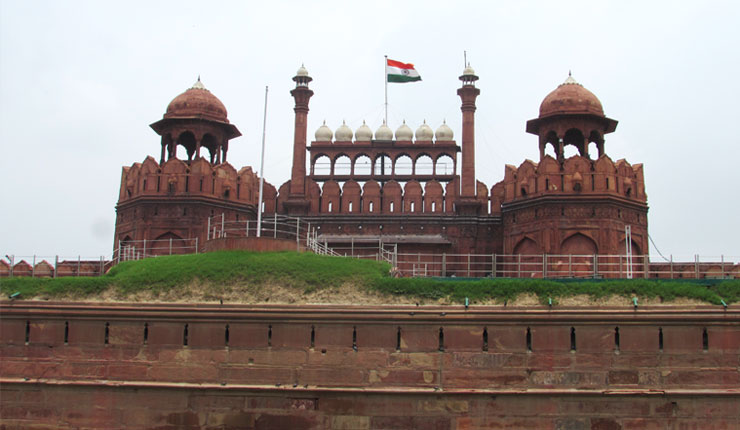
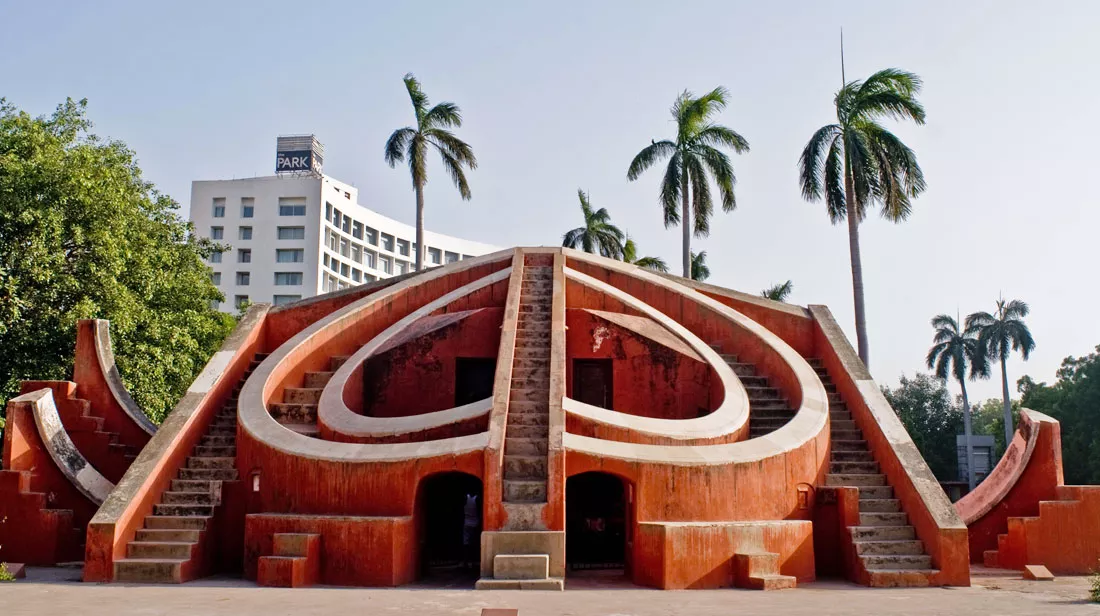 The capital of India is a true reflection of the old and new of India. We start our morning tour with New Delhi and visit the famous India Gate followed by the Houses of Parliament, Connaught Place, Humayun's Tomb and the Qutb Minar - a perfect minaret towering 102 meters / 112 yards into the sky. New Delhi is a blend of Mughal India, Hindu India, British India and certainly of modern independent India.
Our afternoon concentrates on Old Delhi, starting with the famous Red Fort. Built by Shah Jehan, this was once the most opulent fort of the Mughal Empire. Next, we visit another Mughal majesty, the Jama Masjid, India's largest mosque. We end our tour with the visit to Raj Ghat, the cremation site of Mahatma Gandhi.
Please note: - Red fort is closed on Monday. Old Delhi Market remains closed on Sunday.
The capital of India is a true reflection of the old and new of India. We start our morning tour with New Delhi and visit the famous India Gate followed by the Houses of Parliament, Connaught Place, Humayun's Tomb and the Qutb Minar - a perfect minaret towering 102 meters / 112 yards into the sky. New Delhi is a blend of Mughal India, Hindu India, British India and certainly of modern independent India.
Our afternoon concentrates on Old Delhi, starting with the famous Red Fort. Built by Shah Jehan, this was once the most opulent fort of the Mughal Empire. Next, we visit another Mughal majesty, the Jama Masjid, India's largest mosque. We end our tour with the visit to Raj Ghat, the cremation site of Mahatma Gandhi.
Please note: - Red fort is closed on Monday. Old Delhi Market remains closed on Sunday.
Meals Included-
Breakfast
-
-
Day 3 - Delhi – Agra – Dholpur (Drive: 280 Kms/ 6 Hours)
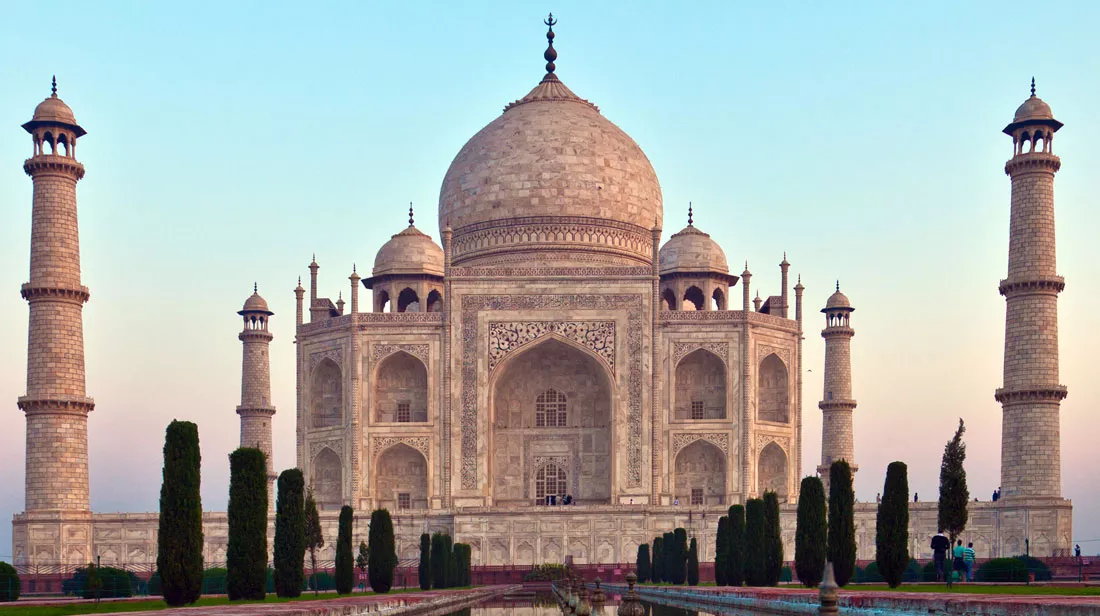 Dholpur or Dhawalpuri is named after the ruler Dhawal Deo who built the city at a site, little south of the present city. Later people started calling it Dholpur. Dholpur was plundered by many plunderers. Sikander Lodi attacked and occupied Dholpur in 1501 AD. His forces plundered the city and even uprooted all the gardens that shaded Dholpur. It was again invaded by Babar in 1526 AD. During Humayuns regime, the site of Dholpur town was moved northwards to avoid erosion by the river Chambal. Near Dholpur two important Mughul wars were fought in succession.
Today we visit – Muchchhukand which is about 8 kms from the town of the Dholpur. It is an ancient sacred place. It commands a picturesque view. The place is named after Raja Muchchhukand.
Raja Muchchhkund, the twenty fourth of
Dholpur or Dhawalpuri is named after the ruler Dhawal Deo who built the city at a site, little south of the present city. Later people started calling it Dholpur. Dholpur was plundered by many plunderers. Sikander Lodi attacked and occupied Dholpur in 1501 AD. His forces plundered the city and even uprooted all the gardens that shaded Dholpur. It was again invaded by Babar in 1526 AD. During Humayuns regime, the site of Dholpur town was moved northwards to avoid erosion by the river Chambal. Near Dholpur two important Mughul wars were fought in succession.
Today we visit – Muchchhukand which is about 8 kms from the town of the Dholpur. It is an ancient sacred place. It commands a picturesque view. The place is named after Raja Muchchhukand.
Raja Muchchhkund, the twenty fourth of
the Suryavanshi Dynasty (the solar race) is said to reigned nineteen generations before Lord Ram. According to legend Raja Muchchhkund, was sleeping here when demon Kaal Yaman while pursuing lord Krishna, accidentally woke him up. The demon Kaal Yaman was burnt to ashes because of a divine blessing to Raja Muchchhkund. It is now a sacred place for pilgrim. It is said that the enclosures around it were built by the emperor Akbar. Please Note: Taj Mahal is closed on FridayMeals Included-
Breakfast
-
Dinner
-
- Day 4 - Dholpur
-
Day 5 - Dholpur – Gwalior (Drive: 60 Km/ 2 Hours)
 After breakfast we drive to Gwalior -former princely state, central India. Part of Madhya Pradesh state since 1956, the territory of Gwalior formerly consisted of one large territory and several exclaves. The state was formed in the mid-18th cent. by Ranoji Sindhia, a Maratha chief who became independent of the peshwa (hereditary Maratha prime minister). On arrival, we check in our Hotel. Rest of the day is free.
Meals Included
After breakfast we drive to Gwalior -former princely state, central India. Part of Madhya Pradesh state since 1956, the territory of Gwalior formerly consisted of one large territory and several exclaves. The state was formed in the mid-18th cent. by Ranoji Sindhia, a Maratha chief who became independent of the peshwa (hereditary Maratha prime minister). On arrival, we check in our Hotel. Rest of the day is free.
Meals Included-
Breakfast
-
-
Day 6 - Gwalior
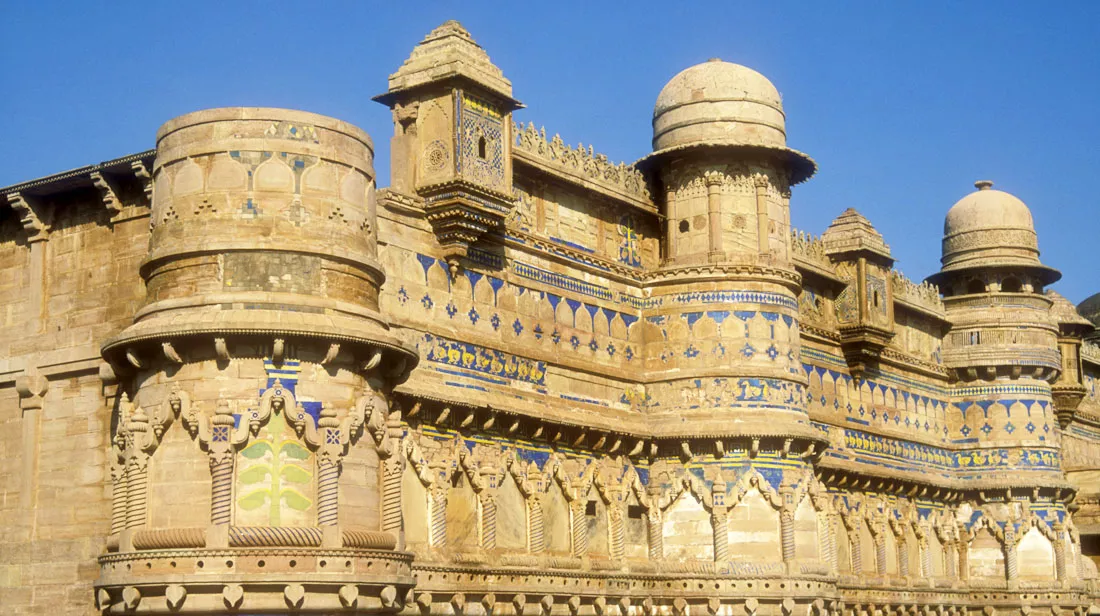 In the morning we start our Gwalior city tour by visiting the Man Mandir- Built between 1486 and 1517 by Raja Mansingh. The tiles that once adorned its exterior have not survived, but at the entrance, traces of these remain. Within the palace rooms stand bare, stripped of their former glory, testifying to the passing of the centuries. Vast chambers with fine stone screens were once the music halls, and behind these screens, the royal ladies would learn music from the great masters of the day. Below, circular dungeons housed the state prisoners of the Mughals. Emperor Aurangzeb had his brother, Murad imprisoned , and later executed here. Close by is Jauhar Pond, where in the Rajput tradition, the Ranis committed mass sati after their consorts had been defeated in battle. At Man Mandir Palace, a poignant ambience of those days of chivalry and heroism still lingers in the silent chambers. Later we visit Gujari Mahal- The 15th century Gujari Mahal is a monument to the love of Raja Mansingh Tomar for his intrepid Gujar Queen, Mrignayani, The Fort, Temples of Sas-Bahu, Teli Ka Mandir, Jai Vilas Palace, Tomb of Gaus Mohammed and the Mausoleum of Tansen.
Please Note: Gujari Mahal Museum & Jai Vilas Museum remains closed on Monday for visitors.
In the morning we start our Gwalior city tour by visiting the Man Mandir- Built between 1486 and 1517 by Raja Mansingh. The tiles that once adorned its exterior have not survived, but at the entrance, traces of these remain. Within the palace rooms stand bare, stripped of their former glory, testifying to the passing of the centuries. Vast chambers with fine stone screens were once the music halls, and behind these screens, the royal ladies would learn music from the great masters of the day. Below, circular dungeons housed the state prisoners of the Mughals. Emperor Aurangzeb had his brother, Murad imprisoned , and later executed here. Close by is Jauhar Pond, where in the Rajput tradition, the Ranis committed mass sati after their consorts had been defeated in battle. At Man Mandir Palace, a poignant ambience of those days of chivalry and heroism still lingers in the silent chambers. Later we visit Gujari Mahal- The 15th century Gujari Mahal is a monument to the love of Raja Mansingh Tomar for his intrepid Gujar Queen, Mrignayani, The Fort, Temples of Sas-Bahu, Teli Ka Mandir, Jai Vilas Palace, Tomb of Gaus Mohammed and the Mausoleum of Tansen.
Please Note: Gujari Mahal Museum & Jai Vilas Museum remains closed on Monday for visitors.
Meals Included-
Breakfast
-
-
Day 7 - Gwalior – Bhopal by Train #2002 – Bhopal Shatabdi, Departure: 09:33 Hrs, Arrival: 13:50 Hrs
 Today we are transferred to railway station for our train to Bhopal. On arrival, we check in our Hotel. Our tour of Bhopal, capital of Madhya Pradesh will be an interesting insight. This modern, beautiful, and historical city is in the same place, where the 11th century Bhojapal city, founded by Raja Bhoja, once stood. Bhopal was re discovered by Dost Mohammad (1708-1740), an Afghan soldier. Bhopal is known as the city of Mosques – most of which were built by the Begums (Queens) of Bhopal, who ruled the city. The Jama Masjid with its Gold spikes crowns the minarets, the Moti Masjid -architecturally akin to Delhi's Jama Masjid, Taj-ul-Masajidi is one of the largest mosques in Asia and is a fascinating example of Islamic architecture with Quibla wall in the prayer hall carved with 11 recessed arches and the mimbar made of black basalt. Our tour gives us a good impression of the majesty of Islamic architecture.
Meals Included-
Breakfast
-
-
Day 8 - : Bhopal: visit to Sanchi, Udaygiri and Bhimbetka Caves
In the morning we explore one of the most intriguing World Heritage Sites in India, Sanchi. Crowning the hilltop of Sanchi nearly 91 meters in height, is a group of Buddhist monuments commanding a grand view. These are most perfect and well-preserved stupas, offering a wide and academic in the study of Buddhist art and architecture. The establishment of Sanchi is an important center of Buddhism and was probably established by the great Maurya emperor Ashoka (273-236 B.C.) in recognition of his marriage to a lady of Vidisha. On our way back, we visit Udaygiri Caves 13 km from Sanchi. Udaygiri is word of Sanskrit language meaning “sunrise hills”. These are a group of rock-cut caves sanctuaries carved into a sandstone hill that stands sentinel-like on the horizon. An inscription in one of these states that it was produced during the reign of Chandragupta II (382-401AD), thus dating these caves to 4th - 5th century AD.
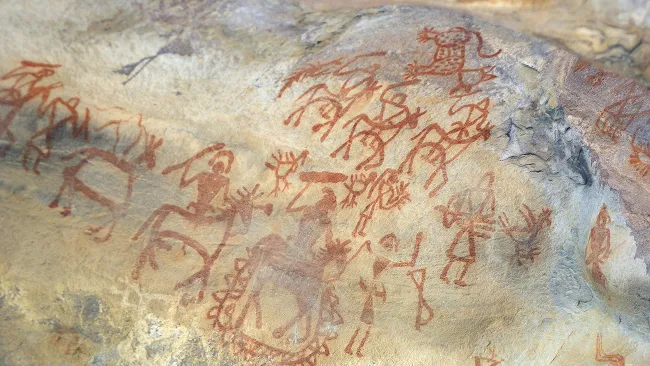
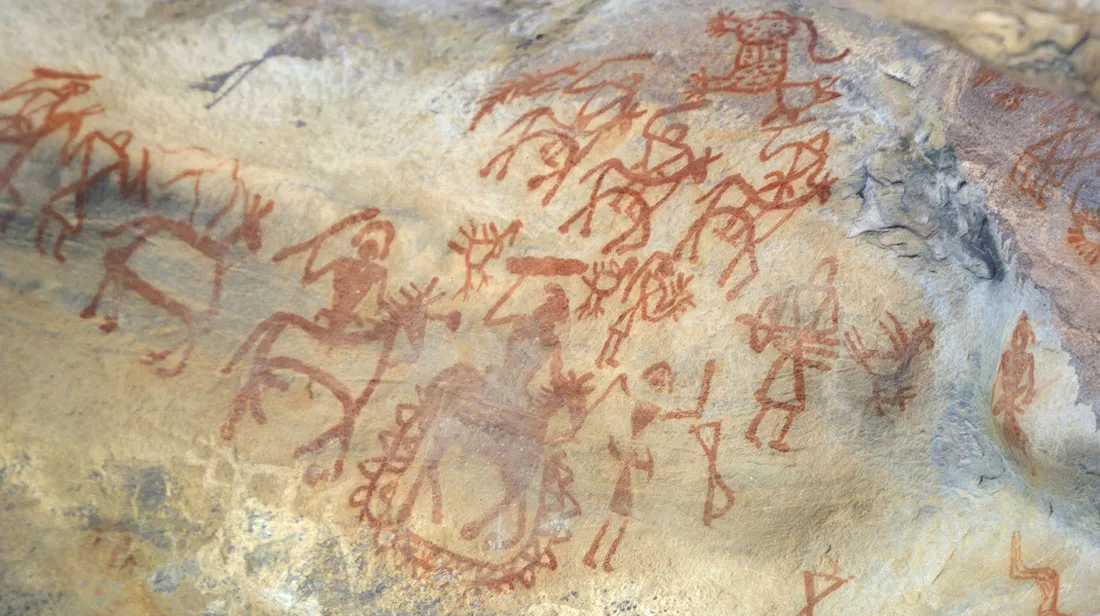
In the afternoon we visit Bhimbetka Caves - situated 46 km south of Bhopal, has one of the oldest prehistoric paintings of the world. The paintings are these rock shelters are similar to the aboriginal rock paintings in the outback of Australia, the cave paintings of the Bushmen in Kalahari Desert and the Paleolithic Lascaux cave paintings in France. These caves belong to the Neolithic Age. Hidden amid forests of teak and sal in the craggy cliffs, these 1,000 rock shelters are recognized by UNESCO as one of the World Heritage Sites
Meals Included-
Breakfast
-
-
Day 9 - Bhopal – Ujjain – Indore (Drive: 260 Km/ 06 Hours)
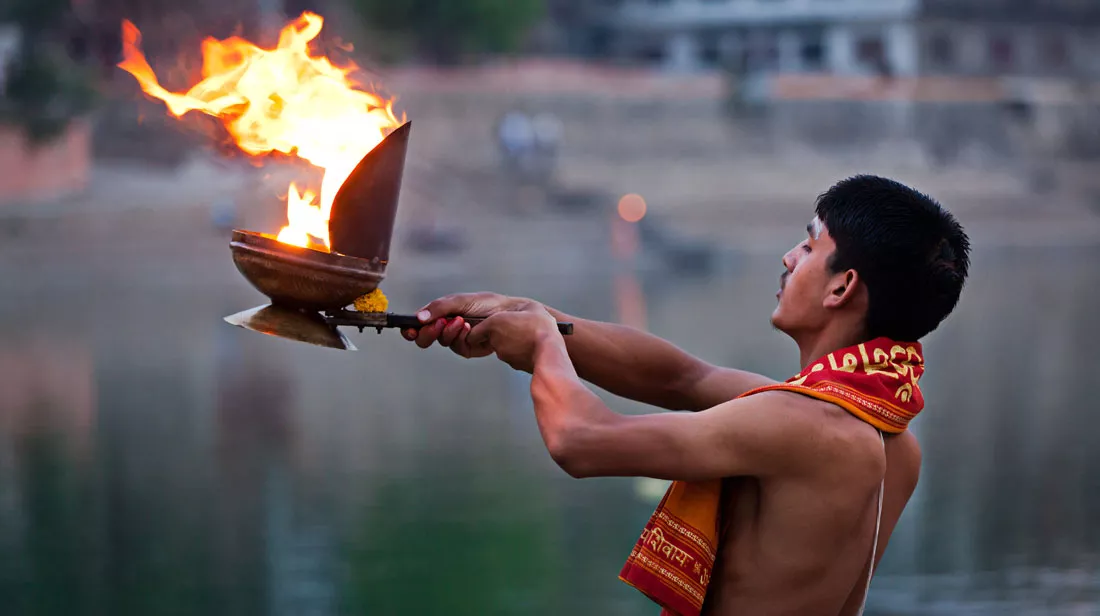 We drive to Indore En-route we visit Ujjain. Here we will see Mahakaleshwar Temple. We arrive Indore and Visit Kanch Mandir and The Lal bagh Palace.
Overnight: Hotel in Indore (1 Night) (B)
Meals Included-
Breakfast
-
-
Day 10 - : Indore – Mandu – Maheshwar (Drive: 160 Km/ 04 Hours)
 In the morning we take an excursion to Mandu enables us to view the Jahaz Mahal, Taveli Mahal, Asharafi Mahal, Tomb of Hoshang Shah, the Jain Temple, Jama Masjid, Baz Bahadur’s Palace, Rupmati’s Pavalion, Darya Khan ‘s Tomb and Nil Kanth Palace. From here we drive to Maheshwar. On arrival, we check in at Ahilya Fort.
(Please Note: - Accommodation at Ahilya Fort includes all meals, Indian beverages of a wide variety, soft drinks, Tea and Coffee throughout the day, laundry, local boating on the river (On prior request) and local sightseeing.)
Meals Included
In the morning we take an excursion to Mandu enables us to view the Jahaz Mahal, Taveli Mahal, Asharafi Mahal, Tomb of Hoshang Shah, the Jain Temple, Jama Masjid, Baz Bahadur’s Palace, Rupmati’s Pavalion, Darya Khan ‘s Tomb and Nil Kanth Palace. From here we drive to Maheshwar. On arrival, we check in at Ahilya Fort.
(Please Note: - Accommodation at Ahilya Fort includes all meals, Indian beverages of a wide variety, soft drinks, Tea and Coffee throughout the day, laundry, local boating on the river (On prior request) and local sightseeing.)
Meals Included-
Breakfast
-
Lunch
-
Dinner
-
- Day 11 - Maheshwar
- Day 12 - Maheshwar – Jalgaon (Drive 275 kms/6 hrs)
-
Day 13 - Jalgaon / Aurangabad (Drive 150 Kms/ 4 Hours)
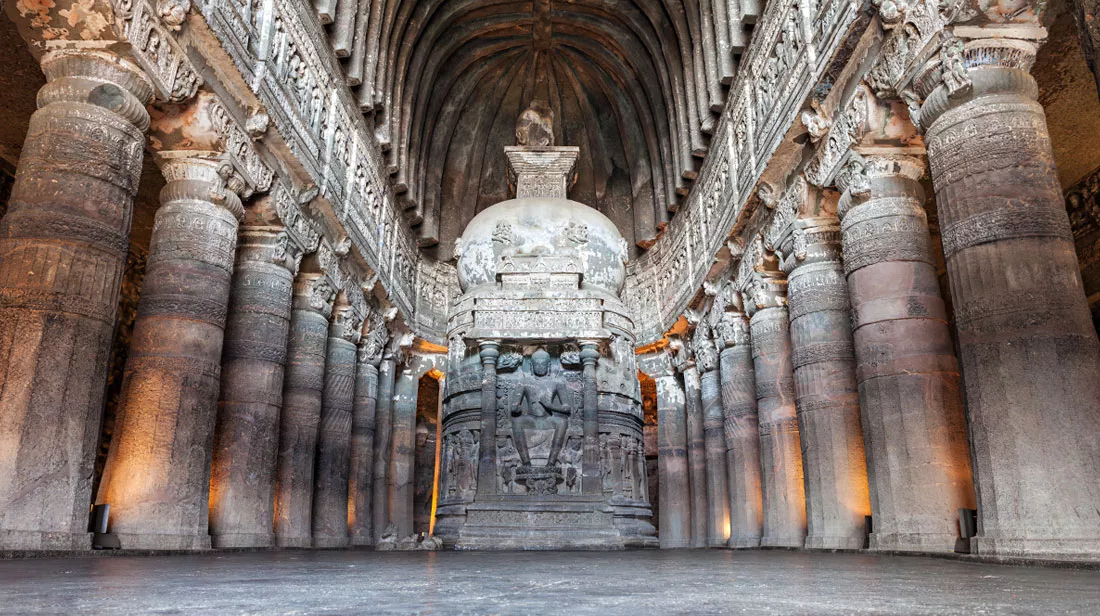 In the morning we drive to Aurangabad en-route visiting the Ajanta Caves. One Hundred and seven Kilometers north-east of Aurangabad are the remarkable rock-cut monuments of Ajanta, containing important examples of Buddhist Architecture and sculpture, and what is undoubtedly the finest and most complete examples of early Buddhist paintings of India. The cave temples are cut into the rocky sites of dramatic crescent shaped gorge at the head of which is a waterfall that feeds the natural pool, the Saptakunda. The earlier monuments date back to the second and first centuries BC.
The Ajanta Carvings of the Mahayana Phase rival those of the Gupta period monuments, to which they are stylistically related, demonstrating the artistic links between Deccan and central India in the fifth century. The series of paintings at Ajanta that cloaks the walls and ceilings is unparalleled in the history of Indian Art, both for the wide range of subjects illustrated and the assured mastery of the medium. The paintings that adorn the walls and ceilings of the caves depict incidents from the life of Buddha and various Buddhist divinities. Among the more interesting paintings are the Jakarta tales, illustrating diverse stories relating to the previous incarnations of the Buddha as Bodhisattva, a saintly being who is destined to become Buddha.
Please Note: Ajanta Caves are closed on Monday.
Meals Included-
Breakfast
-
-
Day 14 - Aurangabad
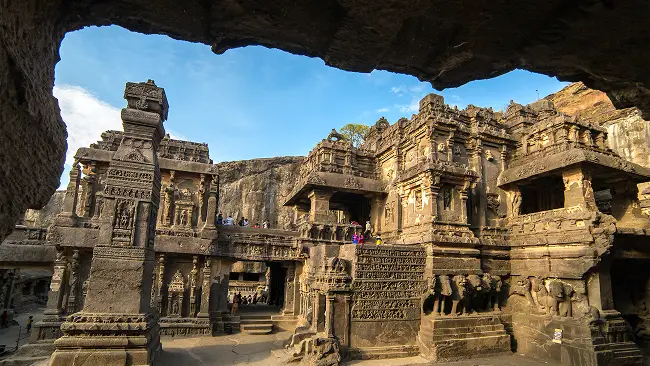
 In the morning we visit ELLORA CAVES situated about 18 miles away from the city of Aurangabad - a group of rock temples - posses a magnificent series of Buddhist, Brahmanical and Jain temples of the 9th Century A.D. Kailash Temple, hewn out of a single rock, carved with life size figures of gods and goddesses, is a wonder. There are 34 caves, of which 12 are Buddhist, 17 Hindu and 5 Jain.
Later we also visit the Daulatabad fort and Bibi-Ka-Maqbra - The Bibi-Ka-Maqbra (19°55’ N; 75°15’ E) is a beautiful mausoleum of Rabia-ul-Daurani alias Dilras Banu Begum, the wife of the Mughal Emperor Aurangazeb (1658-1707 A.D.). This mausoleum is believed to be constructed by Prince Azam Shah in memory of his mother between 1651 and 1661 A.D.
In the morning we visit ELLORA CAVES situated about 18 miles away from the city of Aurangabad - a group of rock temples - posses a magnificent series of Buddhist, Brahmanical and Jain temples of the 9th Century A.D. Kailash Temple, hewn out of a single rock, carved with life size figures of gods and goddesses, is a wonder. There are 34 caves, of which 12 are Buddhist, 17 Hindu and 5 Jain.
Later we also visit the Daulatabad fort and Bibi-Ka-Maqbra - The Bibi-Ka-Maqbra (19°55’ N; 75°15’ E) is a beautiful mausoleum of Rabia-ul-Daurani alias Dilras Banu Begum, the wife of the Mughal Emperor Aurangazeb (1658-1707 A.D.). This mausoleum is believed to be constructed by Prince Azam Shah in memory of his mother between 1651 and 1661 A.D.
Please Note: Ellora Caves are closed on Tuesday.
Meals Included-
Breakfast
-
- Day 15 - Aurangabad – Mumbai: by Flight
-
Day 16 - Mumbai
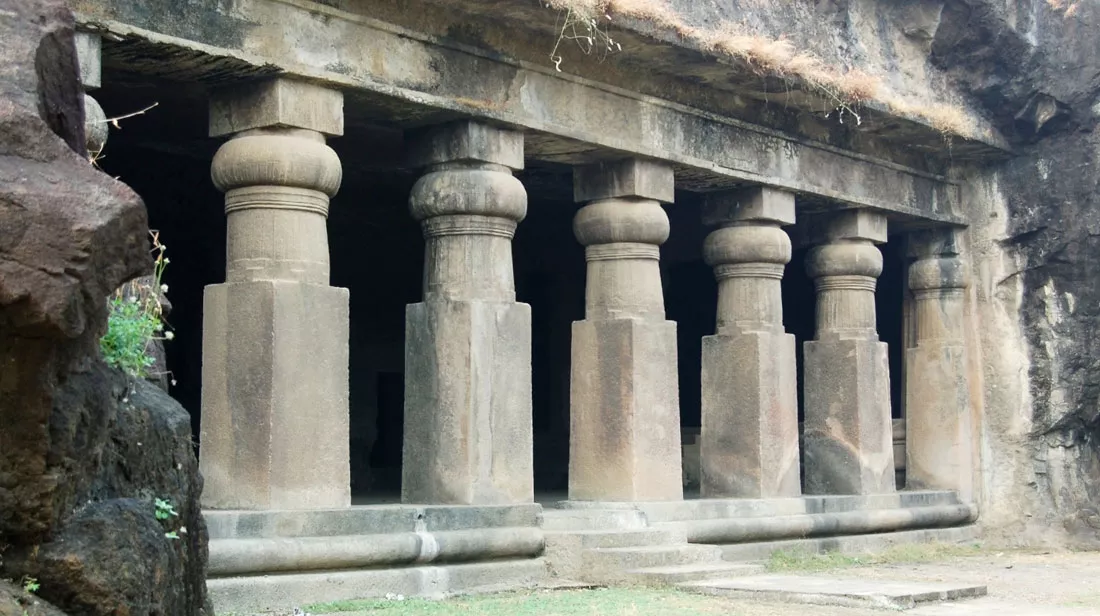
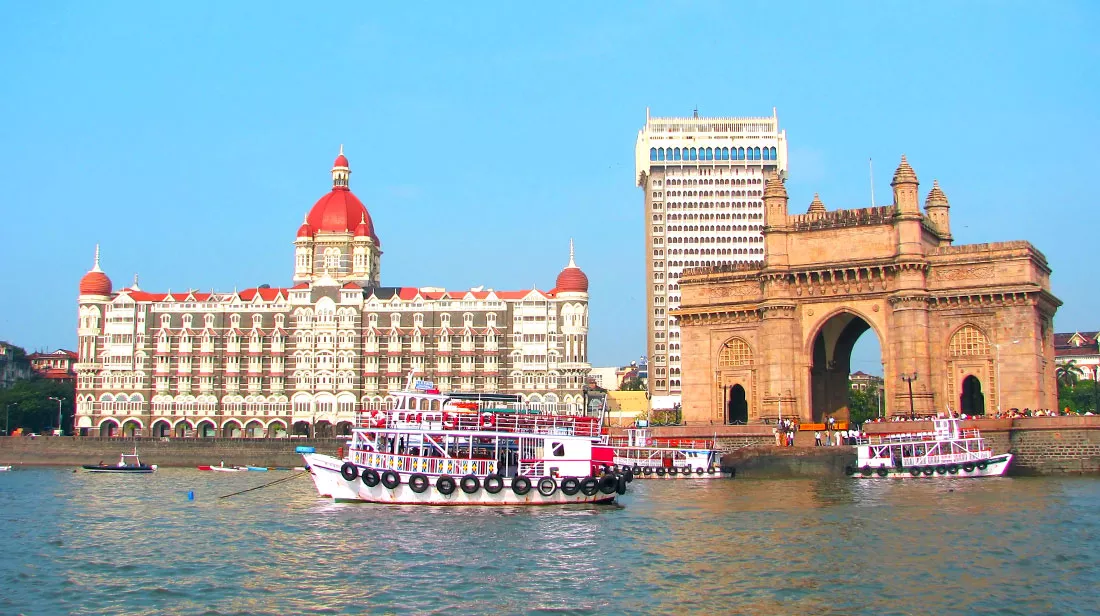 After breakfast we take an excursion to the world famous Elephanta Caves. Little is known about their origins, but they are thought to have been created between AD 450 and 750, when the island was known as Gharapuri (Place of Caves). The Portuguese renamed it Elephanta because of a large stone elephant near the shore. There is one main cave with a few large sculptured panels, all-relating to Shiva. The most famous of the panels is the Trimurti (Triple headed) Shiva, where the god is depicted as destroyer, preserver, and creator. There are also figures of Shiva dancing the Tandava, the marriage of Shiva and Parvati, Ravana shaking Kailasa, a scary carving of Shiva killing the demon Andhaka and one in which Shiva appears as Ardhanari (half lady), uniting both genders in one body.
Please Note: Elephanta Caves are closed on Monday’s.
Meals Included
After breakfast we take an excursion to the world famous Elephanta Caves. Little is known about their origins, but they are thought to have been created between AD 450 and 750, when the island was known as Gharapuri (Place of Caves). The Portuguese renamed it Elephanta because of a large stone elephant near the shore. There is one main cave with a few large sculptured panels, all-relating to Shiva. The most famous of the panels is the Trimurti (Triple headed) Shiva, where the god is depicted as destroyer, preserver, and creator. There are also figures of Shiva dancing the Tandava, the marriage of Shiva and Parvati, Ravana shaking Kailasa, a scary carving of Shiva killing the demon Andhaka and one in which Shiva appears as Ardhanari (half lady), uniting both genders in one body.
Please Note: Elephanta Caves are closed on Monday’s.
Meals Included-
Breakfast
-
-
Day 17 - Mumbai – Home
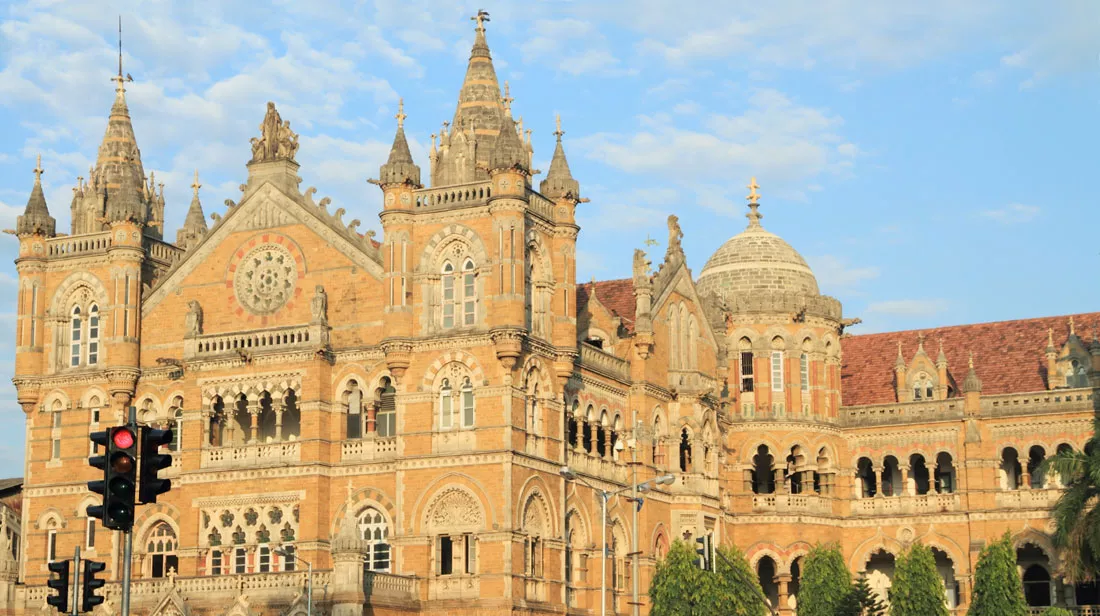 Today we are transferred to airport for our flight to onward destination.
Meals Included
Today we are transferred to airport for our flight to onward destination.
Meals Included-
Breakfast
-
- - Breakfast
- - Lunch
- - Dinner
* DENOTES UNESCO WORLD HERITAGE SITES INCLUDED

Frequently asked questions
Common questions about this tour — expand any item for details.
No FAQs have been added for this tour yet.
Traveller reviews
What guests say about Treasures of Central India.
Loading gallery…
Prices are not available for this Tour, Get your prices from the experts
Need a different departure?
Build your own private version of Treasures of Central India
Travel on your preferred dates, switch hotels, add cities, and include extra experiences with a tailored quote from Bestway2india.
Choose your own dates
Adjust hotels
Add cities and experiences

Top Tours
Hand-picked journeys travellers loved most this season.
Loading top tours…
Highly Recommnended Tour
Jul 2018